How Does it Work?
As your mediator, our discussions will be 100% confidential. We can meet in person, by Zoom or by phone as you prefer.
You are free at all times to confer with an attorney of your choice during our mediation and/or between sessions, but an attorney is not required.
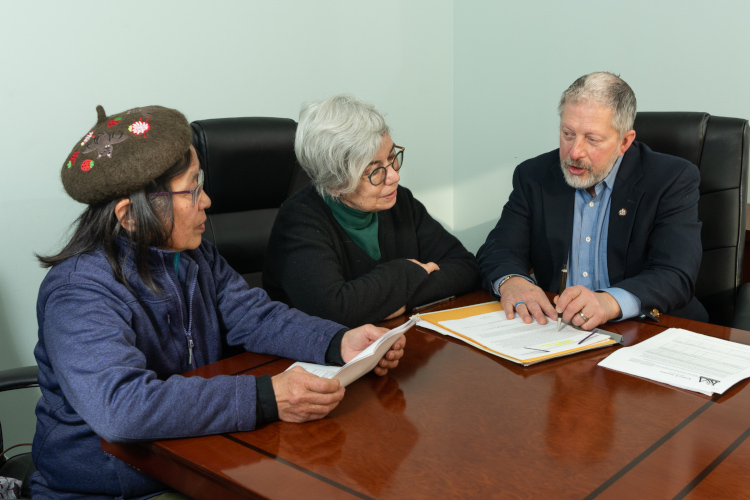
I strive to help clients reach their own agreements with my guidance from my experience as a mediator, an arbitrator, a pro tem judge and from my years of practice. When there is an impasse, or upon request of a party I will suggest creative solutions. We usually meet first in a joint session and then move into break out rooms (if we work through Zoom) or separate meetings (if we are meeting physically). At the end of each session (usually 2 hours) we evaluate our progress, identify remaining issues, assign tasks and schedule the next meeting. I often work one on one with parties between formal sessions.
Each mediation is different, and the process can be adapted to meet the needs, preferences, strengths, and weaknesses of the parties. Typically, mediation includes the following steps:
- Introduction: In a joint session, I will explain the mediation process and the roles and responsibilities of the parties. This is often done in a group setting, but it can be done individually.
- Opening statements: Each party will have the opportunity to make an opening statement to explain their perspective on the dispute. This is optional, and if you choose not to do this, it will not affect the success of the mediation.
- Individual Breakout Sessions: I will usually meet with each party in a private session to discuss the dispute further, identify concerns and interests, and to explore options for resolution.
- Joint sessions: We will return to joint sessions to confirm our progress and identify remaining issues. In our joint sessions, often parties reserve sensitive information to breakout sessions.
- Negotiation: I will work with each party, individually and jointly, to negotiate an agreement that addresses concerns and interests.
- Arbitration Option: Parties will have the option to use the mediator in an arbitration role to allow the mediator to serve as an arbitrator to resolve specific issues in dispute. Both parties must agree to this option and also agree that the decision made in this process is binding and not subject to appeal.
- Closure: If an agreement is reached, I will help you to formalize the agreement in a written document to be signed by each party. If you do not have an attorney, I can help you prepare the essential legal documents, help you file them with the court, and ensure they are signed and effective. If no complete agreement is reached, or if there are unresolved issues, we can schedule additional Joint or one-on-one sessions. If mediation is not successful, you may consider other options for resolving the dispute, such as arbitration or litigation.